I Tried Forex Trading for Nine Months and Here’s the Honest Truth
Photo by Marga Santoso on Unsplash
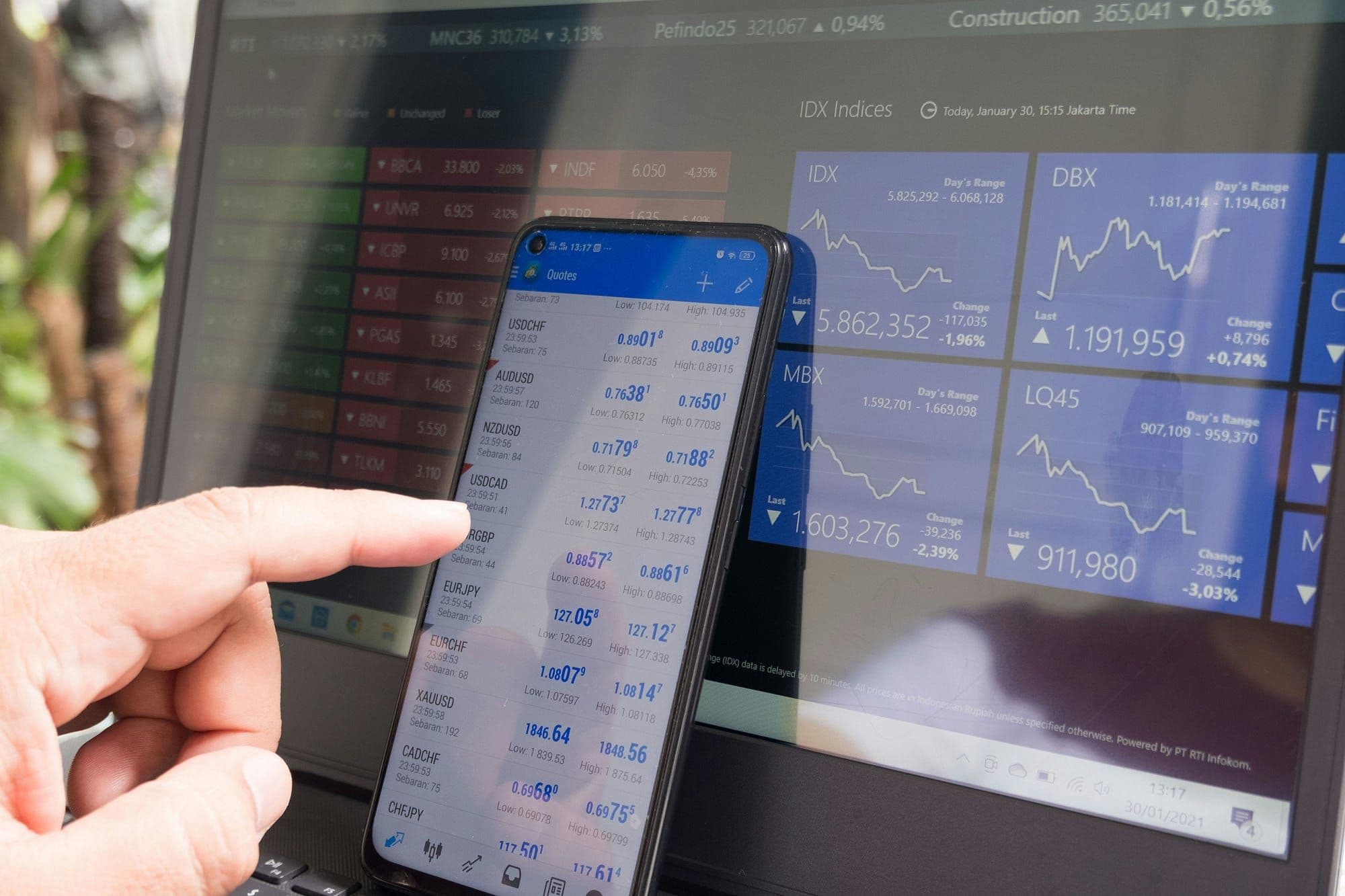

Nine months ago, I jumped into Forex trading. I had a decent idea of what I was getting into — at least I thought I did. I’d read the articles, watched the videos, and even had people warn me about how mentally tough it can be, especially in the beginning. But like most new traders, I was optimistic… maybe a little too optimistic. I figured I’d be fine.
Turns out, I wasn’t fully prepared. What followed was a complete rollercoaster. The excitement I had at the start quickly turned into stress and anxiety. My confidence took hit after hit. Sure, there were some wins here and there, but I was constantly wrestling with emotions I didn’t expect to be so intense.
So, in this article, I just want to be real about it. I’ll share what those nine months actually looked like — the wins, the losses, and everything in between. Not just the technical side of trading, but the mental and emotional stuff that no one really talks about. And if you’re thinking about trying Forex, or you’re in it already and struggling a bit, I hope this helps you feel a little less alone.
My Forex Trading Journey
I wasn’t completely new to trading when I got into Forex — I had dabbled in stocks before, so I thought I had a decent idea of how markets work. Plus, I was following a trader who had built a massive community using his strategy. A lot of his students were seeing real success, so I figured, “If it’s working for them, it can work for me too.”

Surprisingly, in just three weeks, I passed my first prop firm challenge. (For anyone unfamiliar, a prop firm gives you access to a funded trading account. You prove you can manage risk and trade profitably, and in return, they let you trade with their money and share the profits.) It felt like a huge win — like I was really onto something.
But the excitement didn’t last. Just one week after passing, I blew the funded account. I couldn’t believe it. The pressure got to me, and the emotional side of trading hit harder than I expected. It was the first major hit — but definitely not the last.
Over the next few months, I kept repeating the same cycle: pass a challenge, blow the account. Sometimes I’d go on a hot streak, making solid returns and feeling like I was finally getting the hang of it… and then a string of losses would wipe it all out. I even tried trading with my own money for a while — thinking maybe I’d do better without the prop firm rules — but that only led to even bigger losses from my savings.
Looking back, I can see I was way too optimistic in the beginning. I had heard people talk about the psychological side of trading, but I didn’t really get it until I lived it. And trust me — it’s no joke.
My Biggest Challenges and Mistakes
Looking back, most of my struggles didn’t come from not knowing where to enter or exit a trade — they came from what happened in between. The emotional swings, the overthinking, the urge to “make it back” after a loss… that stuff is what really messed me up.
One of my biggest challenges was revenge trading. I’d take a loss, get frustrated, and then jump back into the market trying to recover it quickly. Spoiler: it never worked. Most of the time, it just made things worse. I was trading based on emotion instead of logic, and that’s a fast track to blowing accounts.
I also struggled a lot with overtrading. Some days I’d open trade after trade, even when the market wasn’t giving me anything solid. I wasn’t patient — I just wanted action. And in trading, forcing setups is basically asking to lose money.
Another huge mistake I made was pushing the limits of prop firm rules. Most prop firms have very specific rules to protect their capital — like a daily loss limit, an overall drawdown cap, and sometimes a requirement to trade a minimum number of days. I knew the rules, but in the heat of the moment, I’d still take trades that risked hitting those limits. And once you hit the daily loss limit, the platform usually cuts you off for the day. Trying to “beat the system” or stretch those limits always came back to bite me.
There were also times when I risked way more than I should have. Especially after a good streak — I’d get overconfident, increase my lot sizes, and then one bad trade would wipe out days (or even weeks) of progress. Managing risk consistently was something I knew was important, but knowing and actually doing it are two very different things.
These mistakes were painful, but they were also the biggest teachers in my trading journey.
The Reality Check (Honest Truth)
Here’s the part most people don’t talk about enough: Forex trading is mentally exhausting. It’s not just charts and strategies — it’s dealing with yourself. Your emotions, your ego, your impulses.
I came into this thinking that if I followed a good strategy and stayed disciplined, I’d be consistently profitable. But the truth is, even with a solid strategy, it’s incredibly easy to mess things up. One emotional decision, one impulsive trade, one bad day… and you can lose everything you’ve built over weeks.
Another harsh truth? Winning trades don’t feel as good as losing trades feel bad. That imbalance messes with your head. A big win might make you feel great for a few hours. A big loss? You’ll carry that with you for days. It’s like the losses hit deeper, and they cloud your judgment in ways you don’t realize until it’s too late.
Then there’s the financial side. You can lose money fast — and not just prop firm accounts, but your own hard-earned savings if you’re not careful. And when you’re losing money, trying to stay calm and objective becomes way harder than any trading book makes it sound.
What I’ve realized is that most people don’t fail at Forex because they don’t know how to trade. They fail because they can’t handle the emotional weight of it all. And I was one of them. It’s not something I say with pride — but it’s the honest truth.
Would I Do It Again?
Yes — but definitely not the way I did.
If I could start over, I’d take things a lot slower. I’d respect the emotional side of trading a lot more than I did in the beginning. Because honestly, the hardest part of Forex isn’t the charts or the strategy — it’s you. And I’ve realized that I still have a long way to go when it comes to handling the psychological side of trading.
It’s humbling to admit, but I know I don’t have full control over that part of me yet. And that’s okay. Some people are wired to handle the stress, the uncertainty, the drawdowns. I’m not there yet — and forcing it only made things worse.
But being a software engineer turned out to be a blessing in disguise. Instead of giving up on trading completely, I decided to approach it differently. I built a trading bot — one that follows logic, not emotion. It doesn’t get greedy after a win or scared after a loss. It just executes the plan. That shift alone removed a huge part of what was holding me back.
So yes, I’d absolutely do it again — but this time, with more self-awareness, more patience, and more technology to help keep the emotions out of it.
Conclusion & Advice to Newcomers
If there’s one thing these nine months have taught me, it’s that Forex trading is not a quick money game — it’s a long, often painful process of self-discovery. The market will expose every weakness you didn’t know you had: impatience, greed, overconfidence, fear. And no strategy in the world can save you from yourself if you don’t learn how to manage those things.
My biggest mistake wasn’t that I didn’t know how to trade — it was that I thought I could skip the emotional part. I thought having a good system was enough. It wasn’t.
So, if you’re new to Forex or thinking about getting started, here’s my honest advice:
- Respect the psychological side of trading more than anything else.
- Start small. Don’t rush to go full-time or throw big money into the game.
- Stick to your risk rules, no matter what. One trade shouldn’t have the power to ruin your account.
- And if you find yourself struggling emotionally, don’t be afraid to step back or approach it differently.
For me, that “different approach” was building a bot to trade on my behalf — because I realized I wasn’t the problem solver in the trade, I was often the problem itself.
You don’t have to follow my path exactly. But you should absolutely learn from it.
New articles, straight to your inbox.
No spam, no filler — just new writing on iOS, the web, and AI when it ships. Unsubscribe anytime.
Keep reading
Your CPU Has More Cores Than Your Job Can Use
Some work splits cleanly across hundreds of cores. Other work is a chain of steps where every new step has to wait for the last one to finish.
ReadYour Password Isn’t as Random as You Think
Crack-time calculators measure the size of a theoretical password space—not how people actually choose passwords or how attackers search them.
Read